Blog

  • prairie dog pet

    prairie dog pet

    Prairie dogs are charming, intelligent, and highly social animals that attract many pet lovers because of their expressive faces and playful behavior. While they may look small and cute, prairie dogs are not simple or low-maintenance pets. They belong to the rodent family and naturally live in large colonies called “towns” across North America. Their lifestyle in the wild is filled with socializing, digging, foraging, and communicating through a variety of unique sounds.

    For anyone considering a prairie dog as a pet, it’s essential to understand that these animals require specialized care, patience, proper space, and daily interaction. They thrive on companionship and emotional bonding, which means they need much more than just a basic cage and occasional feeding. Prairie dogs can become wonderful companions, but only if their physical, behavioral, and emotional needs are fully met.

    Are Prairie Dogs Good Pets?

    Prairie dogs can make loyal, affectionate pets, but they are best suited for owners who have experience with exotic animals or are ready to commit time and attention. They bond deeply with their owners and enjoy being around people. However, they can become stressed, bored, or aggressive if left alone for long periods.

    They are:

    • Emotionally expressive
    • Very active
    • Social by nature
    • Intelligent and curious

    Legal Requirements

    Before adopting a prairie dog, always confirm whether it is legal in your region. Some countries, states, and provinces have strict regulations due to:

    • Disease control
    • Wildlife protection
    • Breeding rules

    Always adopt from a licensed and ethical breeder to ensure your pet is healthy and safely bred.

    Understanding Their Personality

    Prairie dogs have strong personalities. They communicate through barks, chirps, whistles, and even growls. Each sound carries meaning — from excitement to warnings.

    Their nature is:

    • Playful
    • Very energetic
    • Strongly bonded to family
    • Territorial during certain seasons

    Housing & Habitat Requirements

    A prairie dog cannot live happily in a small cage. They need a spacious environment and opportunities to mimic their natural lifestyle.

    Ideal Habitat Should Include:

    • A large enclosure with solid floors
    • Deep digging material (soil, hay, or a mix)
    • Tunnels and hideouts
    • Chewing toys and enrichment items
    • Ventilation and proper temperature

    Because they dig naturally, they need a minimum of 12–18 inches of bedding to satisfy their instinct.

    Diet & Nutrition

    A healthy prairie dog diet should be high in fiber and low in sugar.

    Recommended Foods:

    • Timothy hay (main diet)
    • Fresh grasses
    • Leafy greens (spinach, romaine, kale)
    • Vegetables like carrots, squash, sweet potato
    • Prairie dog–specific pellets

    Avoid:

    • Nuts
    • Sugary fruits
    • Junk food
    • Seeds
    • Processed snacks

    Correct nutrition prevents obesity, dental issues, and digestive problems.


    Daily Routine & Activity Levels

    Prairie dogs are extremely active throughout the day.

    Morning:

    • Foraging
    • Exploring
    • Digging
    • Greeting their owner

    Afternoon:

    • Playtime
    • Chewing activities
    • Tunneling
    • Social communication

    Evening:

    • Grooming
    • Relaxing
    • Bonding with their owner

    Enrichment & Mental Stimulation

    Best Enrichment Ideas:

    • Deep digging boxes
    • PVC tunnels
    • Cardboard boxes
    • Wood chew toys
    • Puzzle feeders
    • Safe outdoor time in a secure enclosure

    Training & Socialization

    Prairie dogs are surprisingly trainable. With consistency, they can learn:

    • Name recognition
    • Coming when called
    • Using a litter box
    • Simple tricks

    Training strengthens your bond and keeps them occupied.

    Health Care & Lifespan

    Prairie dogs can live 8–10 years with proper care.

    Health Signs to Watch:

    • Overgrown teeth
    • Hair loss
    • Lethargy
    • Rapid breathing
    • Weight changes

    They require exotic pet veterinarians for checkups and emergencies.

    Challenges of Owning a Prairie Dog

    1. Strong Chewing Behavior

    They chew furniture, wires, wood, and plastic if unsupervised.

    2. High Social Needs

    Leaving them alone for long hours can make them depressed.

    3. Seasonal Behavior Changes

    They may become territorial during mating season.

    4. Not Ideal for Kids

    They can nip when scared or mishandled.

    Bonding With Your Prairie Dog

    Building trust takes time. You must:

    • Sit near them daily
    • Offer hand-feeding
    • Talk softly
    • Avoid sudden movements
    • Allow them to approach you

    Once bonded, prairie dogs become extremely affectionate and loyal.

    Costs to Consider

    Owning a prairie dog can be expensive.

    Upfront Costs:

    • Purchase from breeder
    • Large enclosure setup
    • Bedding, digging material
    • Toys, tunnels

    Monthly Costs:

    • Hay
    • Vegetables
    • Pellets
    • Replacing damaged toys
    • Occasional vet visits
    • Be sure you are prepared for long-term care.

    Environmental Enrichment & Natural Instincts

    One of the biggest responsibilities is allowing your prairie dog to express its natural instincts. Digging, chewing, and climbing are not bad behaviors — they are necessary activities that keep them physically fit and mentally balanced.

    Experts recommend:

    • Deep digging boxes
    • Sand trays
    • Large tunnels
    • Multi-level platforms
    • Hideouts

    Social Interaction & Bond Maintenance

    Once a prairie dog bonds with you, the relationship becomes very meaningful. They recognize their owner’s voice, scent, and presence. If you travel frequently or have a busy schedule, you must ensure:

    • A second prairie dog companion or
    • Daily bonding time without long gaps

    Without social interaction, prairie dogs may develop separation anxiety.

    Introducing Prairie Dogs to Other Pets

    Prairie dogs should always be introduced to other household pets (cats, dogs, ferrets) with caution.

    Avoid direct contact until:

    • The prairie dog feels secure
    • The other pet shows calm behavior
    • You supervise every interaction

    Because prairie dogs are prey animals, they can get stressed easily around predators. A safe, slow introduction is crucial.

    Preparing for Vet Care

    Not all vets treat exotic pets, especially prairie dogs. Before adopting one, research:

    • Exotic pet clinics nearby
    • Emergency care availability
    • Costs for treatment

    Regular dental checkups and weight monitoring are essential since their teeth grow continuously.

    Is a Prairie Dog the Right Pet for You?

    Before adopting, consider:

    • Do you have enough time for daily interaction?
    • Can you provide a large enclosure?
    • Can you afford exotic vet care?
    • Do you have space for enrichment and digging?
    • Are you ready for long-term responsibility?

    If the answer is yes, then a prairie dog can be one of the most affectionate, entertaining, and unique pets you’ll ever have.


  • little live pets dog

    little live pets dog

    What Is Little Live Pets Dog?

    Little Live Pets Dog is a battery-powered interactive toy that responds to your child’s touch, movement, and voice. It barks, walks, wags its tail, and even shows emotions depending on how it is played with. Kids love it because it feels alive, and parents love it because it’s safe, affordable, and easy to handle.

    Why Kids Love Little Live Pets Dog

    1. Realistic Puppy Movements

    This toy can walk, wiggle, bark, and wag its tail, making it feel like a real pet.

    2. Responds to Touch

    When kids pet or cuddle it, the dog reacts with adorable sounds and movements.

    3. Soft and Cuddly Design

    The body is designed to be lightweight and soft, perfect for young children to hold.

    4. Great for Pretend Play

    Children can create fun stories, routines, and adventures with their new puppy.

    5. Teaches Responsibility

    While not a real animal, it helps kids learn basic pet care concepts.

    Features of Little Live Pets Dog

    • Cute barking sounds that mimic a real puppy
    • Tail-wagging when excited
    • Walking feature for interactive play
    • Soft fur for a comforting feel
    • Easy to operate, even for toddlers
    • Battery-powered and safe for kids

    Benefits for Parents

    Choosing Little Live Pets Dog is a great way to introduce children to the idea of having a pet. It keeps them entertained for hours, encourages creativity, and requires zero cleanup. It’s the perfect gift for birthdays, holidays, or simply a fun surprise.

    Key Features of the Little Live Pets Dog

    1. Lifelike Reactions

    The toy responds when tapped, touched, or spoken to. Kids love the way it perks up, moves around, and makes cheerful puppy noises.

    2. Soft Exterior & Safe Build

    Its plush surface is gentle on the skin, making it perfect for hugging. The design avoids harsh edges, ensuring complete safety.

    3. Interactive Play Modes

    Different versions offer walking, dancing, or cuddle-based play. Children can pick the style that matches their personality.

    4. Easy to Operate

    Simple buttons and touch sensors make the toy suitable even for very young children.

    5. Battery-Friendly

    It uses low power, so kids can enjoy longer play sessions without frequent battery changes.

    How It Benefits Children

    1. Introduces Pet Care Concepts

    Kids understand basic routines like feeding, playing, and comforting—without real-life pressure.

    2. Encourages Movement

    Walking and chasing the puppy help children stay physically active.

    3. Boosts Problem-Solving

    Kids learn how different actions trigger different puppy reactions, improving their thinking skills.

    4. Builds Confidence

    Caring for a toy pet helps shy children express themselves more comfortably.

    5. Enhances Emotional Understanding

    Children often talk, hold, or comfort the toy, developing empathy and emotional depth.


    Ideal for Parents Who Want a Stress-Free Pet Experience

    Many families want a pet but can’t manage the time, cost, or maintenance. Little Live Pets Dog gives children a similar emotional experience without the challenges of a real dog. No mess, no shedding, no noise issues—just pure, enjoyable companionship.

    Different Play Scenarios Kids Enjoy

    1. Pretend Walks Around the House

    Children enjoy walking the puppy, imagining they are taking care of a “real” dog.

    2. Feeding & Grooming Pretend Play

    Using toy bowls or brushes, kids create routines for their puppy.

    3. Bedtime Comfort

    The soft body and gentle sounds help kids relax during bedtime.

    4. Storytelling Adventures

    Kids often make up stories, assigning names, personalities, and daily activities to their toy pet.

    Durability & Maintenance

    The toy is built to handle regular indoor play. It’s not meant for water or outdoor dirt, but gentle handling keeps it in excellent shape. Wiping the surface with a soft cloth and storing it properly helps prolong its life.


    Why It Makes a Great Gift

    Little Live Pets Dog has universal appeal. Whether it’s a birthday, celebration, or a simple surprise, this adorable toy guarantees happiness. It’s suitable for children who love animals, enjoy interactive play, or need a comforting companion.

    Safety Standards and Child-Friendly Design

    Little Live Pets Dog is made following strict safety guidelines. The materials are non-toxic, the stitching is secure, and the electronic parts are fully enclosed to prevent any risk during play. There are no sharp corners or detachable pieces, making it safe even for toddlers. Parents can feel confident that the toy is gentle, reliable, and appropriate for indoor use.

    How Kids Interact with the Toy in Daily Routine

    Children quickly add the toy into their daily schedule. Some take it along while watching cartoons, others keep it beside them during meals, and many carry it to bed for comfort. The playful reactions make every moment enjoyable. For many kids, the puppy becomes a “friend” they talk to, walk around with, and include in their little adventures.

    Encourages Responsible Play Habits

    Little Live Pets Dog helps kids understand how to be gentle with pets. They learn that toys (and real animals) need care, kindness, and proper handling. It teaches discipline in a fun way—kids remember to “feed,” brush, or tuck the puppy into bed, building small routines that mirror real-life pet care.

    Accessories That Can Enhance the Play Experience

    To make playtime even more exciting, parents can add small accessories such as:

    • Toy feeding bowls
    • Mini leashes
    • Toy grooming brushes
    • Puppy beds
    • Carrying bags
    • Pretend pet food sets

    These simple accessories help kids build a more realistic and creative pet-care routine.

    Educational Settings Where the Toy Is Useful

    Little Live Pets Dog is not just for home use. Teachers in preschools and early learning centers use it to teach:

    • Emotional bonding
    • Sharing and cooperation
    • Basic pet awareness
    • Gentle behavior
    • Storytelling and imagination

    Long-Term Value for Families

    Even after months of use, kids continue to enjoy the toy because it doesn’t rely on complex screens or apps. Its timeless design makes it appealing for years. Parents often pass it down to younger siblings as it stays soft and functional with proper care.

    Variations and Special Editions

    Several special editions of Little Live Pets Dog are available, each with unique behavior:

    • Snuggle Puppy – Makes soft breathing sounds for comfort
    • Puppy Rescue Edition – Teaches kids about caring for injured pets
    • Musical Puppy – Responds to claps and music
    • Trick-Performing Puppy – Does small tricks when activated

    Each version adds something special to the play experience, so parents can choose according to their child’s preferences.

    How Long Does It Keep Children Engaged?

    Because the toy interacts in different ways, kids don’t get bored easily. The reactions feel natural and surprising, making the playtime unpredictable and exciting. Even after months, children return to the toy because it feels like a “friend” rather than a regular plush.

    Environment-Friendly Benefits

    Unlike many electronic toys with heavy screens or plastic accessories, Little Live Pets Dog focuses more on soft materials and energy-saving mechanisms. It consumes low battery power, has reusable outer fabric, and doesn’t require constant replacing of parts. For parents who want a more eco-conscious toy, this is a good choice.


    Advice for Parents Before Buying

    Teach children gentle handling from the start

    Check which version suits your child’s age

    Compare customer reviews for durability

    Choose a model with sound control if noise is a concern

    Keep extra batteries at home for longer playtime

    The Emotional Value It Adds to a Child’s Life

    Many children treat this toy as a part of their routine—taking it to the car, keeping it beside them during naps, or including it in their playtime with friends. It becomes more than a toy; it becomes a source of emotional comfort and joy. For kids who struggle with loneliness or separation anxiety, the toy offers a sense of security.

  • dog tags for pets

    dog tags for pets

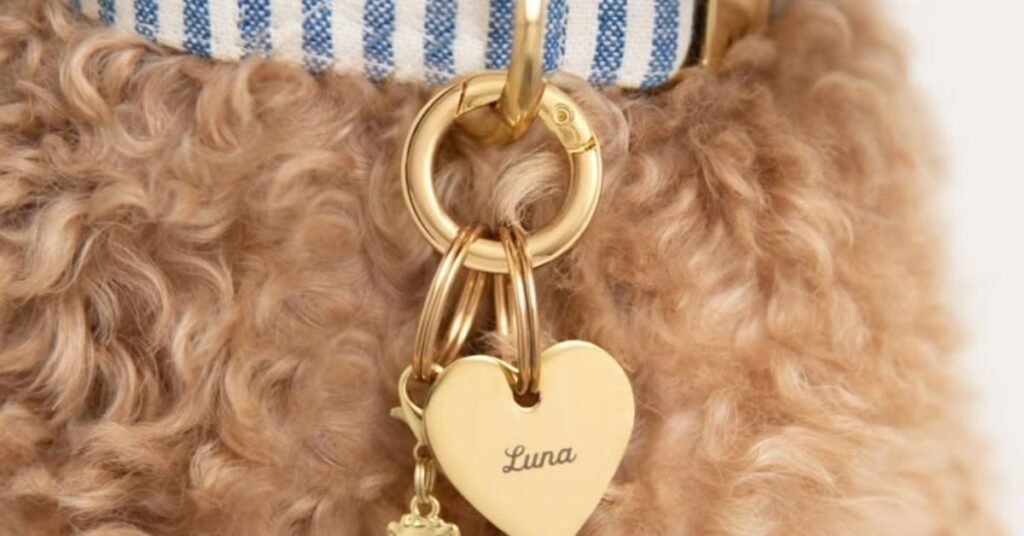
    Dog tags for pets are one of the simplest and most effective ways to keep your pet safe. Whether you have a dog, a cat, or any other companion animal, an identification tag helps ensure that your pet can be returned .

    1. What Are Dog Tags for Pets?

    Dog tags for pets are small identification tags attached to a pet’s collar. They contain key details such as the pet’s name, the owner’s phone number, and sometimes the home address. These tags allow anyone who finds the pet to contact the owner immediately without needing a microchip scanner or vet visit.


    2. Why Dog Tags Are Important

    Dog tags play an essential role in pet safety. They offer immediate identification, which dramatically increases the chances of a lost pet being returned quickly. While microchips are excellent for long-term identification, dog tags provide instant contact details accessible to anyone. This combination reduces the risk of permanent loss and helps protect your pet at all times.

    3. Benefits of Dog Tags for Pets

    Instant Identification

    A dog tag provides direct information without needing any special tools.

    Faster Return of Lost Pets

    If your pet wanders off, the finder can call you right away.

    Supports Responsible Ownership

    Pet tags show that the pet belongs to a caring owner who prioritizes safety.

    Affordable and Long-Lasting

    Dog tags are inexpensive yet durable enough to last for years.

    4. What Information Should Be on a Dog Tag?

    The following details are recommended for every pet tag:

    • Pet’s name
    • Owner’s primary phone number
    • Optional second phone number
    • City and country (optional)
    • Home address (optional)
    • Medical needs (if necessary)

    Including clear and simple contact details increases the chances of a successful reunion.

    5. Types of Dog Tags for Pets

    Metal Dog Tags

    Strong, durable, and suitable for active pets.

    Plastic Dog Tags

    Lightweight and quiet, ideal for smaller pets.

    Silicone Dog Tags

    Soft, flexible, and noise-free.

    QR Code Tags

    Modern tags containing a scannable code that links to your pet’s profile.

    Designer & Custom Tags

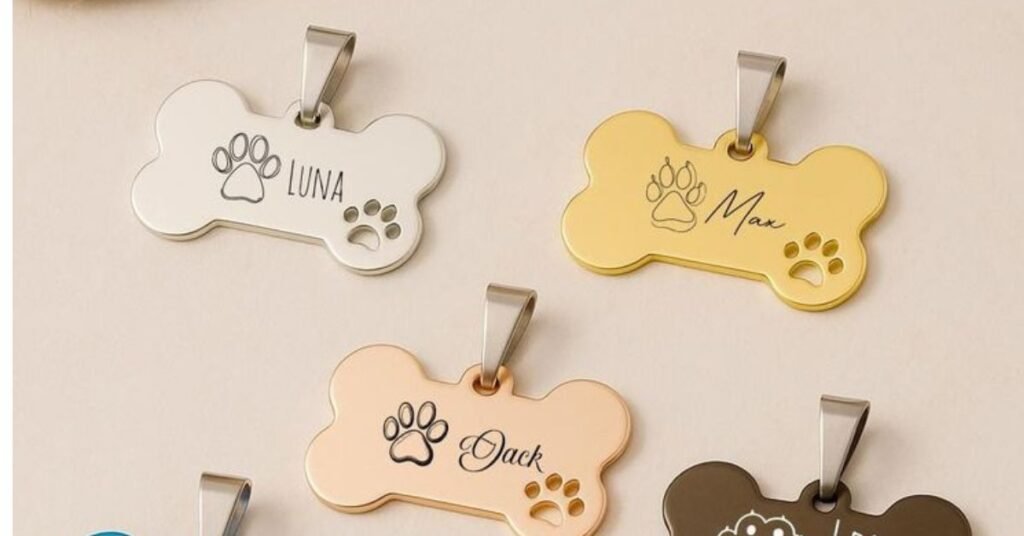
    Stylish tags available in various shapes such as bones, hearts, circles, and stars.

    6. How to Choose the Right Dog Tag

    When selecting a dog tag, consider durability, readability, comfort, and size. Metal tags work best for large active dogs, while silicone or lightweight plastic tags are ideal for small pets. Make sure the engraving is deep and clear so the information remains readable over time.

    7. Safety Tips for Using Dog Tags

    • Check your pet’s tag regularly for wear and tear
    • Ensure the collar fits properly but is not too tight
    • Update your tag information whenever your phone number or address changes
    • Replace faded or damaged tags immediately

    8. Engraving Tips

    Always use simple, clear text. Avoid too much information, which can make the tag difficult to read. Use capital letters for the pet’s name and keep the contact number highly visible.

    9. Dog Tags vs Microchips

    Microchips provide permanent identification but require a special scanner. Dog tags provide instantly visible information. The best approach is to use both, ensuring two layers of protection.

    10. How Often Should You Replace a Pet Tag?

    Most pet tags last one to two years, depending on material and activity level. If the engraving becomes hard to read or the tag starts to bend or crack, it should be replaced immediately.

    11. Custom Dog Tags for Personality

    Custom designs allow pet owners to choose shapes, colors, and styles that match their pet’s personality. Many brands offer reflective, glow-in-the-dark, or themed tags for added style and visibility.

    12. Cost of Dog Tags for Pets

    The price depends on material, size, and customization. Basic metal tags are inexpensive, while designer or QR tags cost more due to advanced features.

    13. Where to Buy Dog Tags

    Dog tags can be purchased online, at pet stores, or through custom engraving shops. Online options give more variety, while physical stores allow you to feel the material before buying.


    If you want, I can also create:

    • A short version blog
    • HTML code for this blog
    • SEO title & meta description
    • 5 different keyword options
    • Image ideas for your blog

    14. Maintenance of Dog Tags

    Regular maintenance ensures the tag remains effective and durable:

    • Inspect the tag weekly for scratches, cracks, or loose rings
    • Clean metal or silicone tags occasionally with mild soap and water
    • Replace worn-out tags promptly to maintain legibility

    15. Seasonal Considerations

    Dog tags may be affected by weather:

    • Summer: Avoid prolonged exposure to water or intense sun to prevent fading
    • Winter: Ensure tags are not frozen or brittle due to cold
    • Waterproof tags or protective coatings can increase longevity

    16. Training Your Pet to Wear a Tag

    Some pets may initially resist collars or tags:

    Gradually increase the time until the pet is comfortable

    Start with short periods of wearing the collar with tag

    Reward your pet with treats and praise when they tolerate it

    17. Modern Options and Smart Tags

    Technology-enhanced dog tags are increasingly popular:

    • QR Code Tags: Scanning the code shows owner contact info
    • NFC Tags: Store medical info or vaccination records
    • GPS-enabled Tags: Track your pet’s location in real-time

    These provide additional security and convenience for busy pet owners.


    18. Benefits of Custom Dog Tags

    Custom tags allow personalization for style and clarity:

    Reflect your pet’s individual style while ensuring safety

    Choose shapes, colors, and fonts

    Add your pet’s unique personality with short messages

    18. Benefits of Custom Dog Tags

    Custom tags allow personalization for style and clarity:

    • Choose shapes, colors, and fonts
    • Add your pet’s unique personality with short messages
    • Reflect your pet’s individual style while ensuring safety

    19. Dog Tag Checklist Before Purchase

    Before buying, make sure:

    • Material is durable and safe
    • Size and weight match your pet
    • Engraving is clear and readable
    • Tag includes essential information
    • Optional features (QR, reflective, glow-in-the-dark) are considered

    20. Conclusion on the Importance of Dog Tags

    Dog tags are one of the simplest yet most reliable tools for pet safety. They provide instant identification, quick communication, and peace of mind for pet owners. Whether your pet is young or old, active or calm, indoor or outdoor, a dog tag ensures that your contact information is always available to anyone who finds your pet. It is a low-cost, high-impact accessory that every responsible pet owner should prioritize.

    21. Legal Requirement in Some Regions

    In many areas, pet identification tags are legally required. Local governments and animal control departments often mandate that pets must wear tags showing the owner’s information. This reduces the burden on shelters and helps lost pets get home faster. Even if your area does not enforce this law, using a dog tag is still a highly recommended safety practice.

  • Peter Pan dogs

    Peter Pan dogs

    The Peter Pan dog is a lively, intelligent, and affectionate breed that makes a perfect companion for active families or individuals. Known for their playful personality and love for attention, these dogs bring joy, energy, and companionship to any household. This guide covers everything about the Peter Pan dog — personality, care, training, exercise, nutrition, grooming, health, and living environment — so you can fully understand this special breed.

    1. Personality and Temperament

    Peter Pan dogs are known for being friendly, playful, and highly social. Their main personality traits include:

    • Playfulness: Always ready for games and adventures.
    • Affection: Loves cuddles, bonding, and family attention.
    • Intelligence: Learns commands and tricks quickly.
    • Curiosity: Enjoys exploring both indoors and outdoors.
    • Friendliness: Gets along with children, adults, and other pets.

    These dogs thrive in homes where they get love, attention, and plenty of mental and physical stimulation.

    2. Physical Appearance

    • Size: Medium, strong, and agile.
    • Coat: Short to medium-length, soft, and shiny.
    • Eyes: Bright, expressive, and alert.
    • Build: Healthy and muscular, capable of energetic play.

    Regular exercise and grooming help them maintain fitness, agility, and a healthy coat.

    3. Exercise Needs

    Peter Pan dogs are high-energy and require daily activity to stay healthy and happy:

    • Walks or Jogging: At least 45–60 minutes per day.
    • Playtime: Fetch, tug-of-war, running in parks or yards.
    • Mental Exercise: Puzzle toys, hide-and-seek, and interactive games.
    • Consistency: Daily routine prevents boredom and destructive behavior.

    Without proper exercise, they may become hyperactive or anxious.

    4. Training Tips

    Peter Pan dogs are intelligent and eager to please, making training effective if done correctly:

    • Begin early socialization with children, adults, and other pets.
    • Use positive reinforcement: treats, praise, and encouragement.
    • Keep sessions short, consistent, and fun to hold attention.
    • Combine mental and physical exercises for well-rounded development.

    With proper training, Peter Pan dogs become obedient, confident, and social.

    5. Feeding and Nutrition

    Balanced nutrition is key to maintaining energy and health:

    • Feed high-quality dog food appropriate for size and age.
    • Include proteins, healthy fats, and vegetables.
    • Avoid overfeeding; follow recommended portion sizes.
    • Keep fresh water available at all times.

    Proper diet ensures strong bones, shiny coat, healthy teeth, and overall wellbeing.

    6. Health & Common Issues

    Peter Pan dogs are generally healthy but may face:

    • Joint or hip issues if not exercised properly.
    • Dental problems, requiring regular teeth cleaning.
    • Obesity from overeating or insufficient activity.
    • Routine vet visits for vaccinations and preventive care are essential.

    With care, they can live long, healthy, and active lives.

    7. Grooming Requirements

    • Brush coat 2–3 times weekly to prevent tangles and shedding.
    • Bathe occasionally with dog-friendly shampoo.
    • Trim nails and clean ears regularly.
    • Grooming ensures comfort, hygiene, and a healthy coat.

    8. Social Life and Family Interaction

    Peter Pan dogs thrive on companionship and interaction:

    • Bond strongly with family members.
    • Enjoy playing with children and other pets.
    • Need mental stimulation to prevent boredom.
    • Not ideal for owners seeking low-maintenance pets.

    9. Living Environment

    Peter Pan dogs are adaptable but require:

    • Adequate space for exercise and play.
    • Regular outdoor activity and walks.
    • Toys and mental enrichment.
    • Love and attention from family members.

    They can live in apartments or houses if their energy needs are met daily.


    10. Traveling with a Peter Pan Dog

    Peter Pan dogs enjoy new experiences:

    Gradually introduce new places to reduce stress.

    Can adapt to car rides and outdoor adventures.

    Bring toys, treats, and water when traveling.

    Use leash and harness for safety.

    11. Benefits of Owning a Peter Pan Dog

    • Loyal, affectionate, and playful companion.
    • Great with children and other pets.
    • Encourages active lifestyle for owners.
    • Intelligent and trainable for tricks and commands.
    • Provides emotional support and joy.

    12. Challenges of Owning a Peter Pan Dog

    • High-energy dogs require time, exercise, and attention.
    • Need daily mental stimulation to prevent destructive behavior.
    • Grooming and care require consistency.
    • May not be suitable for low-activity households.

    13. Tips for a Happy Peter Pan Dog

    • Maintain consistent feeding and exercise routines.
    • Provide interactive toys and puzzles.
    • Socialize early with children, adults, and other pets.
    • Monitor health and visit the vet regularly.

    14. Mental Stimulation

    Peter Pan dogs are very smart and need mental challenges to stay happy:

    • Puzzle toys and treat-dispensing games
    • Training new tricks regularly
    • Hide-and-seek games with toys or treats
    • Rotate toys to keep them interested

    Mental exercise prevents boredom, reduces destructive behavior, and keeps them sharp.

    15. Bonding Activities

    Spending quality time strengthens your relationship:

    • Daily play sessions in the yard or park
    • Cuddling and gentle petting
    • Short training games using treats
    • Talking or singing softly to your dog

    Strong bonding builds trust, confidence, and emotional attachment.

    16. Seasonal Care

    Peter Pan dogs require some attention according to weather:

    Summer:

    • Keep them cool and hydrated
    • Avoid outdoor activity during peak heat
    • Provide shade and fresh water

    Winter:

    • Provide warm bedding
    • Limit outdoor exposure in freezing temperatures
    • Adjust exercise to indoor spaces if needed

    17. Travel and Outdoor Safety

    • Always use leash or harness for walks
    • Bring water, toys, and treats on trips
    • Supervise them in new environments
    • Slowly introduce them to new people, animals, and places

    18. Grooming Beyond Basics

    • Occasional teeth brushing
    • Check for fleas, ticks, and skin irritation
    • Use dog-safe grooming products
    • Regular grooming helps prevent health issues

    19. Signs of a Happy Peter Pan Dog

    • Wagging tail and excited greeting
    • Playful energy and alertness
    • Healthy coat and clear eyes
    • Enjoys interaction with family members

    Recognizing these signs ensures your dog is thriving physically and emotionally.


    20. Signs of Stress or Unhappiness

    • Excessive barking or whining
    • Destructive chewing
    • Loss of appetite
    • Withdrawal or aggression

    If you notice these signs, increase attention, exercise, or consult a vet.


  • Is fresh pet good for dogs

    Is fresh pet good for dogs

    Choosing the right food for your dog is very important for their health and happiness. Many dog owners wonder if Fresh Pet is a good choice. Fresh Pet is a brand that provides fresh, refrigerated dog food made with real ingredients. This guide will help you understand its benefits, drawbacks, and whether it is suitable for your dog.

    1. What is Fresh Pet?

    Fresh Pet is a brand that offers fresh, refrigerated dog food.

    • Made from real meat, vegetables, and grains
    • Free from artificial preservatives
    • Cooked at lower temperatures to keep nutrients intact
    • Available in rolls, trays, and small servings

    It is different from regular dry kibble or canned food because it stays refrigerated and focuses on fresh ingredients.

    2. Benefits of Fresh Pet for Dogs

    • High-Quality Ingredients: Contains real meat and vegetables for a balanced diet.
    • Easily Digestible: Fresh ingredients are gentle on your dog’s stomach.
    • No Artificial Additives: No artificial flavors, colors, or preservatives.
    • Better Hydration: Contains more moisture than dry kibble, helping with hydration.
    • Palatable: Most dogs love the taste of fresh food.

    3. Possible Drawbacks

    • Cost: Fresh Pet is more expensive than traditional kibble.
    • Storage: Needs refrigeration, which may be tricky for some owners.
    • Shelf Life: Shorter than dry food; must be used quickly.
    • Not for All Dogs: Some dogs may need special diets not offered by Fresh Pet.

    4. Is Fresh Pet Suitable for All Dogs?

    Fresh Pet can be a good choice for most healthy adult dogs.

    • Puppies may need specific puppy formulas.
    • Dogs with kidney or liver issues should consult a vet before switching.
    • Active dogs may require additional nutrients.

    Always transition slowly from old food to Fresh Pet to avoid stomach upset.

    5. Tips for Feeding Fresh Pet

    • Serve fresh and properly refrigerated food.
    • Follow portion sizes according to your dog’s weight and activity level.
    • Mix with dry kibble if you want a gradual transition.
    • Store unused portions in the fridge and use within a few days.

    6. Final Verdict

    Fresh Pet is generally good for dogs because it provides fresh, high-quality ingredients without artificial additives. It is tasty, nutritious, and easily digestible. However, it is important to consider cost, storage, and your dog’s specific needs. Consult your vet before making any major dietary changes.


    7. Ingredients in Fresh Pet

    Fresh Pet uses real, wholesome ingredients. Some common ones:

    • Meat: Chicken, beef, turkey, or fish
    • Vegetables: Carrots, peas, sweet potatoes
    • Grains: Brown rice, oats
    • Supplements: Vitamins and minerals for overall health

    These ingredients make it balanced and nutritious for most dogs.

    8. Comparing Fresh Pet to Dry Kibble

    • Moisture: Fresh Pet has 70–80% moisture; kibble has ~10%
    • Nutrients: Fresh Pet retains more natural nutrients
    • Digestibility: Fresh Pet is easier on sensitive stomachs
    • Convenience: Kibble lasts longer on the shelf; Fresh Pet requires refrigeration

    If your dog has stomach issues or picky eating habits, Fresh Pet may be better than dry kibble.

    9. Benefits for Puppies

    • Fresh Pet provides high-quality protein needed for growth.
    • Soft texture makes it easy for puppies to chew.
    • Rich in vitamins and minerals for strong bones and healthy coat.

    Always check if the formula is specifically for puppies, since adult formulas may not meet their nutrient needs.

    10. Feeding Tips for Maximum Health

    • Serve fresh, refrigerated portions only.
    • Introduce gradually over 7–10 days if switching from old food.
    • Monitor your dog’s weight and digestion regularly.
    • Mix a little water if your dog prefers softer food.

    11. Can Fresh Pet Help With Weight Management?

    Yes! Fresh Pet can be good for weight management because:

    • It contains lean proteins
    • Low in fillers and artificial ingredients
    • Portion control is easier with measured rolls

    Combine with daily exercise for best results.

    12. Cost vs. Benefit

    Fresh Pet is pricier than traditional kibble. But consider:

    • Better ingredient quality
    • Healthier digestion
    • Tastier for picky eaters

    Sometimes spending a bit more upfront can reduce vet visits and improve long-term health.

    13. Customer Experiences

    • Many dog owners report improved coat shine and energy.
    • Dogs tend to love the taste and finish meals faster.
    • Some owners find it more convenient than cooking homemade meals.

    14. When to Avoid Fresh Pet

    • Dogs with specific medical diets (kidney, liver, or heart issues)
    • Dogs prone to food allergies (always check ingredients)
    • Owners who cannot refrigerate or finish it within a few days

    Always consult a vet if unsure.

    15. Bottom Line

    Fresh Pet is a healthy, tasty, and convenient choice for many dogs. Its fresh ingredients, high moisture, and absence of artificial additives make it an attractive alternative to dry kibble or canned food. With proper storage and portion control, most dogs can thrive on Fresh Pet.

    16. Fresh Pet vs Homemade Dog Food

    Many dog owners wonder if they should feed Fresh Pet or make homemade meals.
    Fresh Pet Advantages:

    • Balanced nutrition without guesswork
    • Less preparation time
    • Consistent quality and freshness

    Homemade Food Advantages:

    • Full control over ingredients
    • Can customize for allergies

    Tip: Fresh Pet is great if you want healthy, ready-to-serve meals without cooking every day.

    17. How Fresh Pet Helps Sensitive Stomachs

    Dogs with sensitive stomachs or digestive issues can benefit from Fresh Pet because:

    • Gentle cooking retains nutrients
    • No artificial preservatives or fillers
    • High moisture content aids digestion

    Always introduce gradually to avoid stomach upset.

    18. Fresh Pet for Senior Dogs

    Senior dogs need:

    • Easier-to-chew food
    • Digestible proteins
    • Joint and immune support

    Fresh Pet can help seniors because it’s soft, nutrient-rich, and easy to digest. Pair it with joint supplements if needed.

    19. Storing and Serving Fresh Pet

    • Keep refrigerated at all times
    • Use within 3–5 days after opening
    • Freeze leftover portions for longer storage
    • Serve at room temperature to make it more appealing

    Proper storage ensures freshness and avoids food spoilage.

    20. Signs Your Dog Likes Fresh Pet

    • Eats eagerly at every meal
    • Finishes meals without leftovers
    • Shows improved energy and coat shine
    • Fewer digestive issues like diarrhea or vomiting

    Dogs are usually honest critics — if they like it, you’ll notice immediately!


    21. Transitioning to Fresh Pet

    Switch gradually over 7–10 days:

    1. Day 1–2: 25% Fresh Pet + 75% old food
    2. Day 3–4: 50% Fresh Pet + 50% old food
    3. Day 5–6: 75% Fresh Pet + 25% old food
    4. Day 7+: 100% Fresh Pet

    This reduces stomach upset and ensures smooth adjustment.

    22. Exercise and Fresh Pet

    A balanced diet works best with regular exercise.

    • Daily walks
    • Short play sessions
    • Mental stimulation like fetch or puzzle toys

    Healthy diet + exercise = happy, active dog.

  • Pet Squirrel

    Pet Squirrel

    Introduction

    Keeping a pet squirrel can be exciting, cute, and a little challenging. These tiny, energetic animals need special care, a safe environment, and a lot of attention. If you are thinking about having a pet squirrel or you already have one, this guide will help you understand their behavior, food needs, home setup, and daily care. The goal is to make your pet squirrel happy, healthy, and comfortable.

    1. Understanding Squirrel Behavior

    Squirrels are naturally active, curious animals. They love climbing, jumping, and exploring everything around them.

    • They need space to move freely.
    • They enjoy toys like branches, ropes, and hanging items.
    • Squirrels can form strong bonds with their owners if treated gently and regularly handled.

    2. Choosing the Right Squirrel

    If you are getting a squirrel as a pet, make sure it is:

    • Healthy and active
    • Weaned (at least 8–10 weeks old)
    • Checked for any injuries or sickness

    Avoid taking baby squirrels from the wild because they need expert care.

    3. Best Home Setup

    Squirrels need a large, safe cage with room to climb.
    A good cage should have:

    • Strong metal bars (they chew on everything)
    • Multiple levels for climbing
    • Soft bedding
    • A nesting box for sleeping
    • Toys and branches for activity

    Keep the cage in a quiet, clean area away from direct sunlight and loud noises.

    4. What to Feed Your Pet Squirrel

    Proper nutrition keeps your squirrel healthy and energetic.
    Best foods:

    • Nuts (almonds, walnuts, pecans) — unsalted
    • Fresh fruits (apple, banana, berries)
    • Vegetables (carrots, sweet potato, spinach)
    • Squirrel food mix (if available)

    Avoid:

    • Chocolate
    • Sugary snacks
    • Junk food
    • Salty nuts
    • Processed foods

    Provide clean drinking water at all times.

    5. Handling & Bonding

    To build trust with your squirrel:

    • Be gentle and patient
    • Offer treats from your hand
    • Avoid loud movements
    • Spend regular time with them

    Squirrels may take time to adjust, but once they trust you, they can be very affectionate.

    6. Health & Safety Tips

    • Keep the cage clean
    • Trim nails if they become too sharp
    • Watch for signs of sickness
    • Provide safe toys (no sharp edges)
    • Never leave them unsupervised outside — they can easily escape

    If the squirrel looks weak, refuses food, or acts unusually, consult a vet.

    7. Can Squirrels Be Fully Domesticated?

    Squirrels can bond with humans, but they still have natural instincts.
    They might:

    • Bite when scared
    • Chew household items
    • Try to run away if taken outdoors

    So always handle them carefully.

    8. Are Pet Squirrels Legal?

    Some countries allow pet squirrels, and some don’t.
    Always check local laws before keeping one.

    9. Creating a Safe Play Area

    Squirrels love to explore, so having a special play area is very important.
    Here’s what you can include:

    • Soft mats or carpet (so they don’t hurt themselves while jumping)
    • Natural branches for climbing
    • A small hammock or hanging rope
    • Chew toys to keep their teeth healthy

    Never leave wires, sharp objects, or small items on the floor — squirrels can chew anything!

    10. Training Your Squirrel

    Squirrels are smart and can learn simple behaviors.
    You can teach them:

    • To come to you when called
    • To sit on your hand
    • To return to their cage when needed

    Training Tips:

    • Use small treats
    • Keep training sessions short
    • Be patient — they learn slowly
    • Avoid shouting or sudden movements

    This will build trust and make your squirrel comfortable around you.

    11. Bathing and Grooming

    Squirrels normally keep themselves clean, so they do not need regular baths.
    But you can help with:

    • Brushing their fur gently
    • Wiping with a slightly damp cloth if dirty
    • Checking their nails and trimming if needed

    Never use human shampoo or soap — it can irritate their skin.

    12. Mental Stimulation

    Squirrels get bored quickly, and boredom can cause stress.
    Keep them happy with:

    • Puzzle toys
    • Hidden treats for treasure hunts
    • New branches or climbing toys
    • Rotating toys every week

    A mentally active squirrel stays healthy and behaves better.

    13. Common Health Problems

    Pet squirrels can face a few common issues:

    • Weakness due to poor diet
    • Dehydration
    • Overgrown teeth
    • Diarrhea from sugary foods
    • Stress due to loud noise

    Signs your squirrel needs help:

    • Not eating
    • Acting slow or tired
    • Trouble breathing
    • Excessive scratching
    • Sudden aggression

    15. Bonding Time Ideas

    Here are some simple ways to spend quality time:

    • Let them sit on your shoulder
    • Feed them their favorite nuts
    • Talk to them softly
    • Play short games inside a safe room

    This helps create a strong emotional connection.

    16. Do Squirrels Get Along With Other Pets?

    Squirrels are easily scared, especially of:

    • Cats
    • Dogs
    • Large birds

    So always keep them in a separate room when other pets are around.
    Never leave them together unsupervised.

    17. Seasonal Care

    Squirrels behave differently in winter and summer.
    Winter:

    • They need warmer bedding
    • Give more nuts for extra energy

    18. Cost of Keeping a Pet Squirrel

    Keeping a squirrel can be affordable if you plan well.
    You may spend on:

    • Cage
    • Food
    • Toys
    • Bedding
    • Occasional vet checkups

    They don’t require expensive food, but they do need a good environment.